Solar PV Test Equipment
Solar PV test equipment encompasses a specialised suite of electrical diagnostic instruments engineered to evaluate the performance, safety, and efficiency of photovoltaic modules, arrays, inverters, and complete solar energy systems. These tools are essential during the commissioning, routine maintenance, and troubleshooting phases of solar power installations across residential, commercial, and utility-scale projects.
Why Solar PV Test Equipment Matters
Solar PV test equipment encompasses a specialised suite of electrical diagnostic instruments engineered to evaluate the performance, safety, and efficiency of photovoltaic modules, arrays, inverters, and complete solar energy systems. These tools are essential during the commissioning, routine maintenance, and troubleshooting phases of solar power installations across residential, commercial, and utility-scale projects.
Measuring photovoltaic performance is crucial to maximise energy yield, ensure system longevity, verify return on investment, and maintain strict electrical safety standards. Over time, solar panels experience performance degradation due to environmental exposure, potential-induced degradation (PID), microcracks, bypass diode failures, and hot spots. Comprehensive testing identifies these anomalies early, prevents hazardous electrical faults, optimises power production, and validates warranty claims against panel manufacturers.
Solar PV Testing Technologies
Technologically, modern solar PV test equipment incorporates high-speed digital sampling, precision electronic loads, and wireless sensor synchronisation.
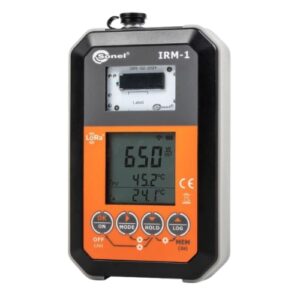
Core instruments, such as I-V curve tracers, rapidly sweep the current-voltage relationship of a PV string while simultaneously measuring irradiance via pyranometers and cell temperature via reference sensors. Advanced algorithms normalise these measurement curves to Standard Test Conditions (STC) for precise analysis.
Furthermore, insulation resistance testers apply high DC voltages to detect insulation breakdown, while thermal imaging cameras and electroluminescence (EL) detectors highlight internal cell microcracks and inactive regions that are invisible to the naked eye.