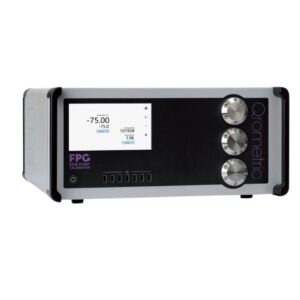
Calibrations
Calibrations involve comparing a measurement device or instrument against a known, highly precise reference standard to verify its accuracy and reliability. Over time, physical instruments inevitably drift due to environmental factors, operational wear and tear, temperature fluctuations, and mechanical stress. Calibration identifies these deviations and adjusts equipment to ensure that all output readings remain within strict allowable limits.
Why Calibration Matters
Measuring and calibrating equipment is essential for maintaining strict quality control, ensuring operational safety, and adhering to regulatory standards. Accurate measurements prevent costly manufacturing errors, minimise material waste, lower the risk of equipment failure, and protect personnel working near high-pressure or high-temperature systems. Regular calibration guarantees consistency across production cycles, ensuring products meet exact specifications.
Calibration Product Technology
Modern calibration technologies utilise sophisticated software and specialised hardware across temperature, pressure, electrical, flow, and dimensional fields. Advanced tools such as microprocessor-controlled dry-block calibrators, high-precision deadweight testers, digital reference thermometers, and multi-function loop calibrators deliver precise reference values with minimal measurement uncertainty. Modern calibration systems often feature automated data collection and digital certificate generation, ensuring full traceability back to national or international standards like ISO/IEC 17025. By implementing precise calibration technology, facilities maintain seamless operational efficiency, extend equipment lifespan, and guarantee compliance across all industrial processes.