

Electrical Test & Measurement
Electrical test and measurement refers to a broad range of specialised instruments designed to analyse, monitor, and troubleshoot electrical parameters within circuits, equipment, and power systems. These parameters include voltage, current, resistance, impedance, capacitance, frequency, and signal waveforms. Measuring electrical parameters is critical across industrial, commercial, and residential applications to ensure operational safety, maintain energy efficiency, comply with regulatory standards, and prevent catastrophic equipment failures or downtime.
Why Electrical Testing and Measurement Matters
Electrical test and measurement refers to a broad range of specialised instruments designed to analyse, monitor, and troubleshoot electrical parameters within circuits, equipment, and power systems. These parameters include voltage, current, resistance, impedance, capacitance, frequency, and signal waveforms.
Measuring electrical parameters is critical across industrial, commercial, and residential applications to ensure operational safety, maintain energy efficiency, comply with regulatory standards, and prevent catastrophic equipment failures or downtime. By detecting anomalies such as voltage sags, harmonics, current overloads, or insulation breakdown early, technicians can perform preventive maintenance before costly damage occurs. Key technologies in this category include digital multimeters, which offer high-precision readings of basic electrical quantities, and oscilloscopes that visualise signal waveforms over time to analyse complex electronic circuits. Insulation resistance testers and megohmmeters evaluate the integrity of cable insulation to prevent short circuits and electrical shocks. Power quality analysers monitor electrical distribution networks to detect harmonic distortion, transients, and unbalance. Advanced clamp meters allow non-intrusive current measurement, while spectrum analysers examine signal frequency spectra in communication equipment. Together, these technologies provide engineers and technicians with the accurate data required to optimise electrical infrastructure performance and guarantee safe, continuous operation.
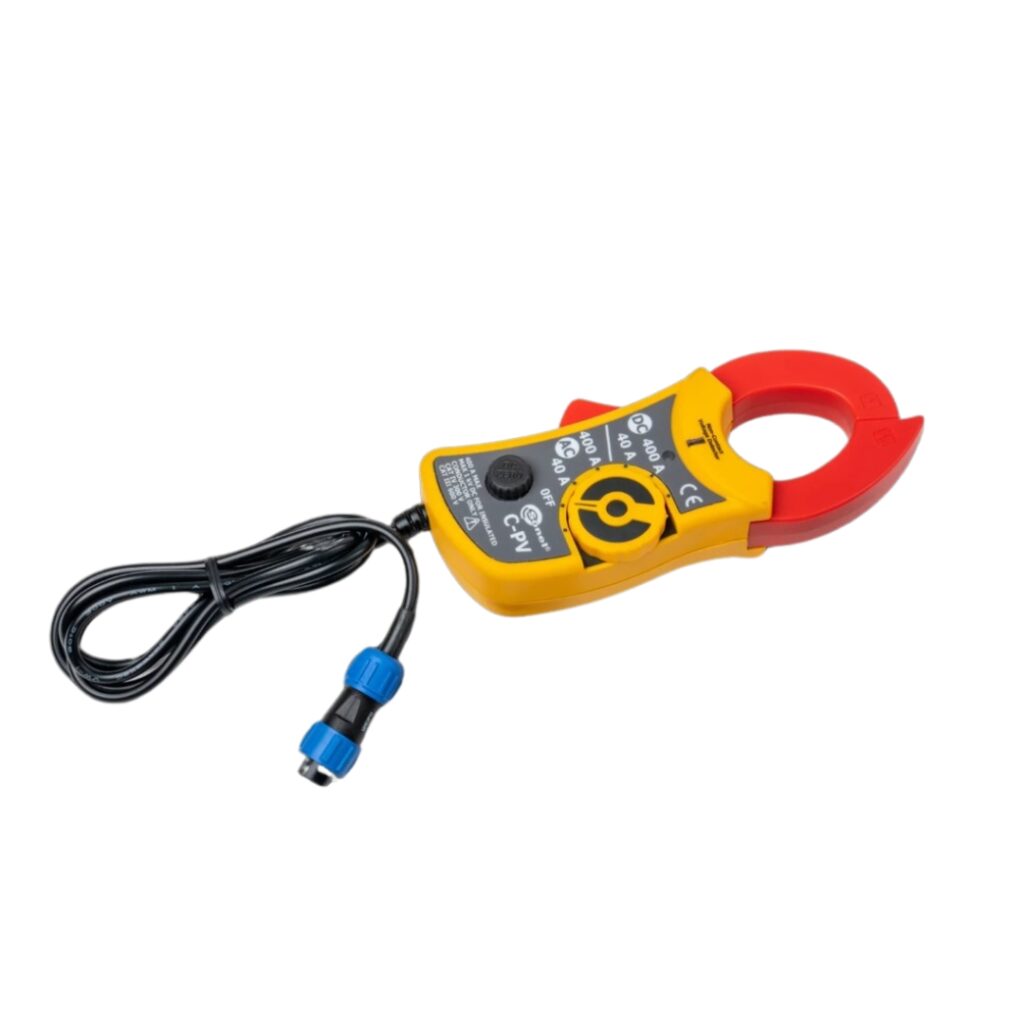
Accessories – Electrical
Electrical Test and Measurement Accessories include devices, adaptors and cables used alongside test equipment

Appliance testers
Appliance testers test the electrical safety requirements for tools and appliances to ensure they are safe to use and working properly.

Battery Testers
Battery Testers allow you to accurately test a wide range of battery parameters to ensure optimal battery performance.

Cable Location And Fault Detection
Cable location and fault detection are essential for troubleshooting, fault location, and new infrastructure & building projects.

Circuit Breaker Testers
A circuit breaker analyser is a diagnostic test instrument used to evaluate the mechanical and electrical performance of medium- and high-voltage circuit breakers. It assesses breaker health by measuring critical operating parameters, including opening and closing times, pole synchronisation, contact travel distance, stroke speed, and mechanism rebound.
In addition to timing and motion analysis, the instrument records trip and close coil current signatures and measures static and dynamic contact resistance. This allows maintenance engineers to identify contact erosion, weak operating springs, electrical latch faults, or mechanical binding without needing to dismantle the breaker.
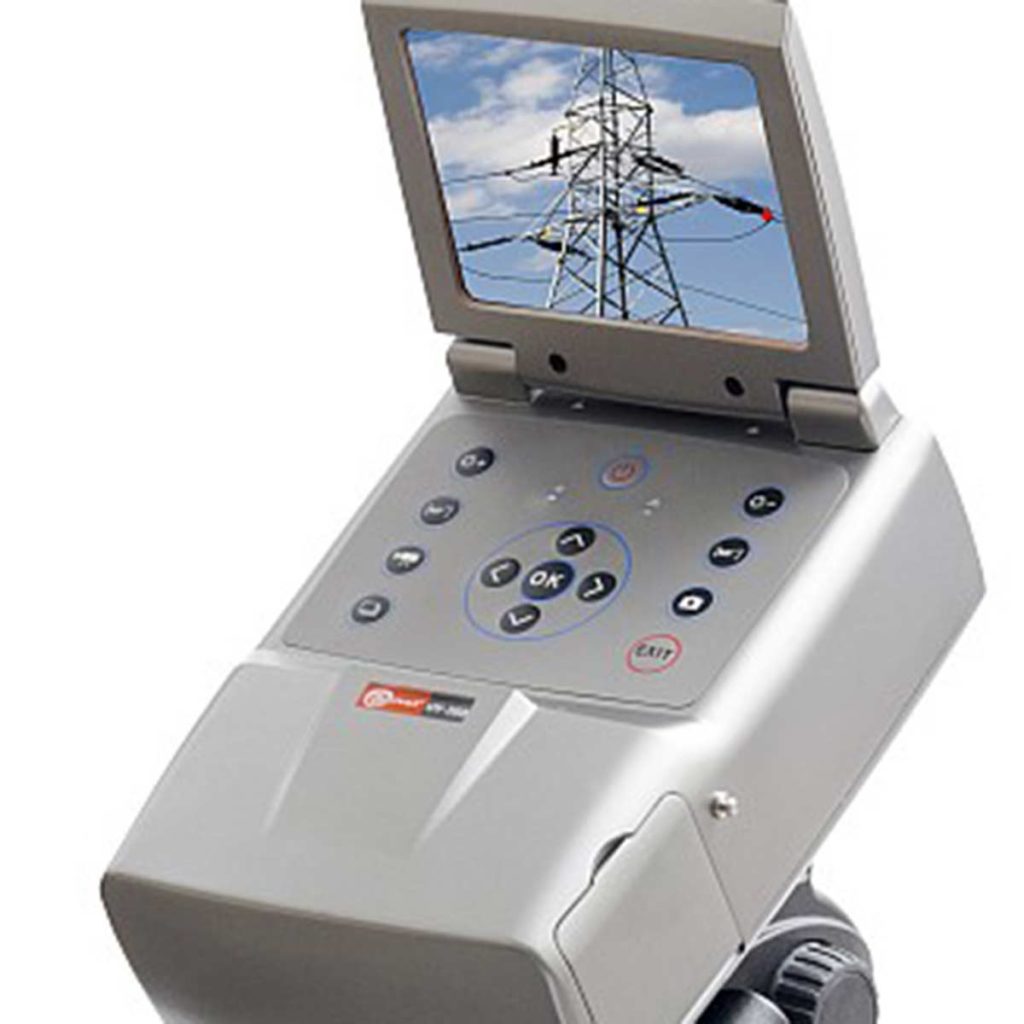
Corona and Partial Discharge Measurements
Partial Discharge Measurements. Partial Discharge is an electrical spark or discharge that occurs across a localised area of the insulation between two conducting electrodes, without completely bridging the gap. It can be caused by discontinuities or imperfections in the insulation system.
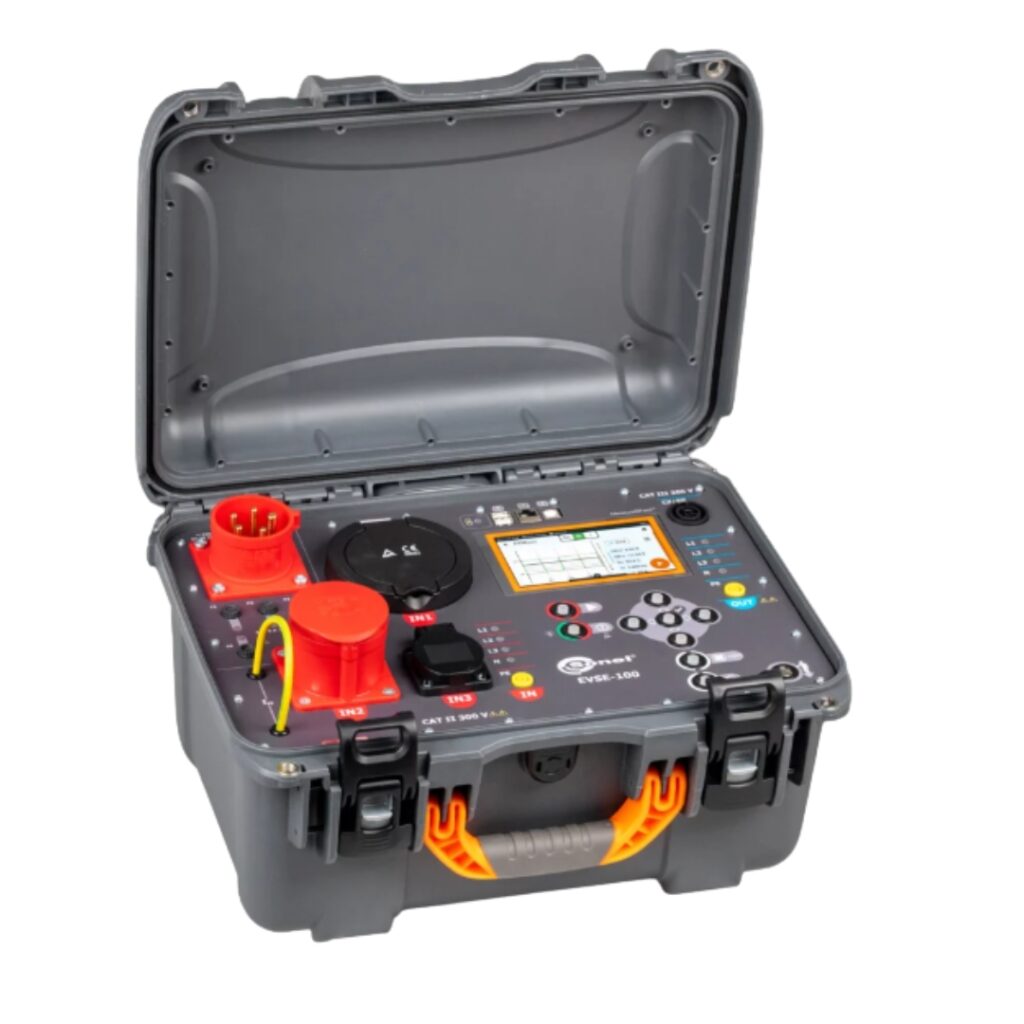
Electric Vehicle Testers
Electric Vehicle Testers are multifunctional analysers dedicated to the diagnostics of electric vehicle charging cables and stations. It performs a set of tests and generates a professional report.
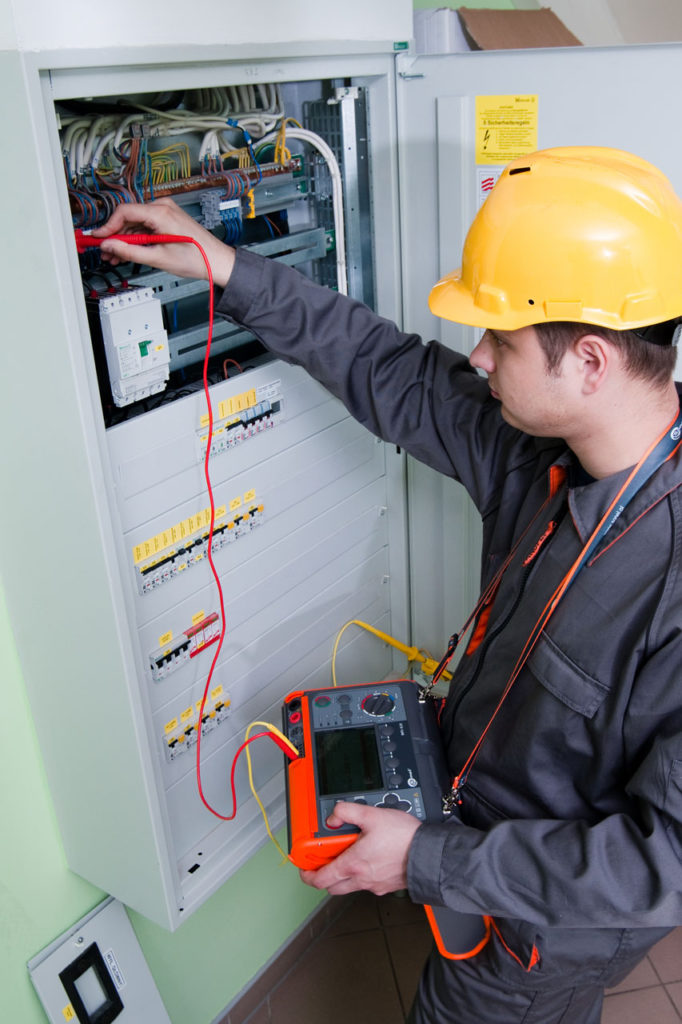
Electrical Installation Meter
A Multi-functional Electrical Installation Meter is used to perform complete testing and verification of safety in electrical installations.
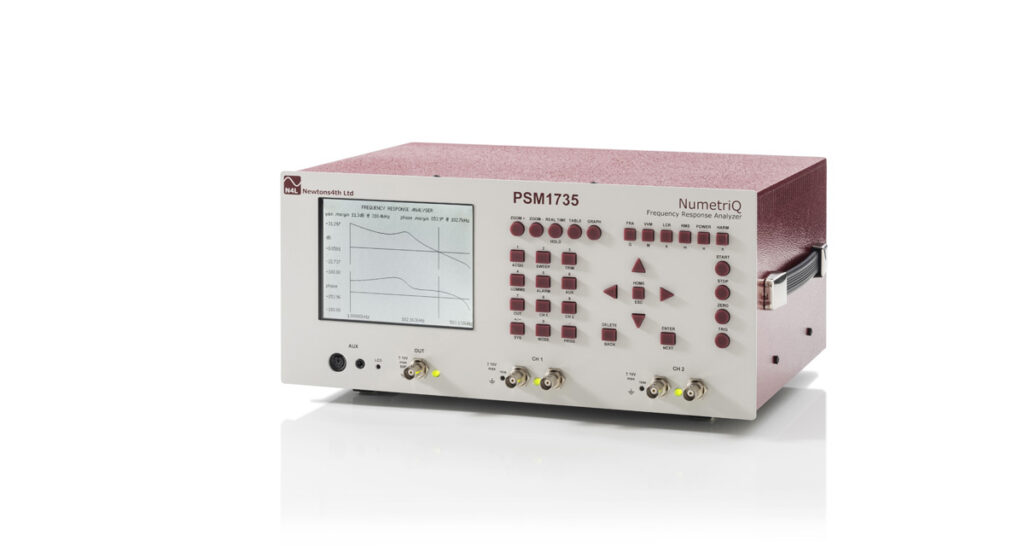
Frequency Response Analyser
A Frequency Response Analyser is a high-precision measurement instrument used to analyse components, circuits, and systems in the frequency domain.
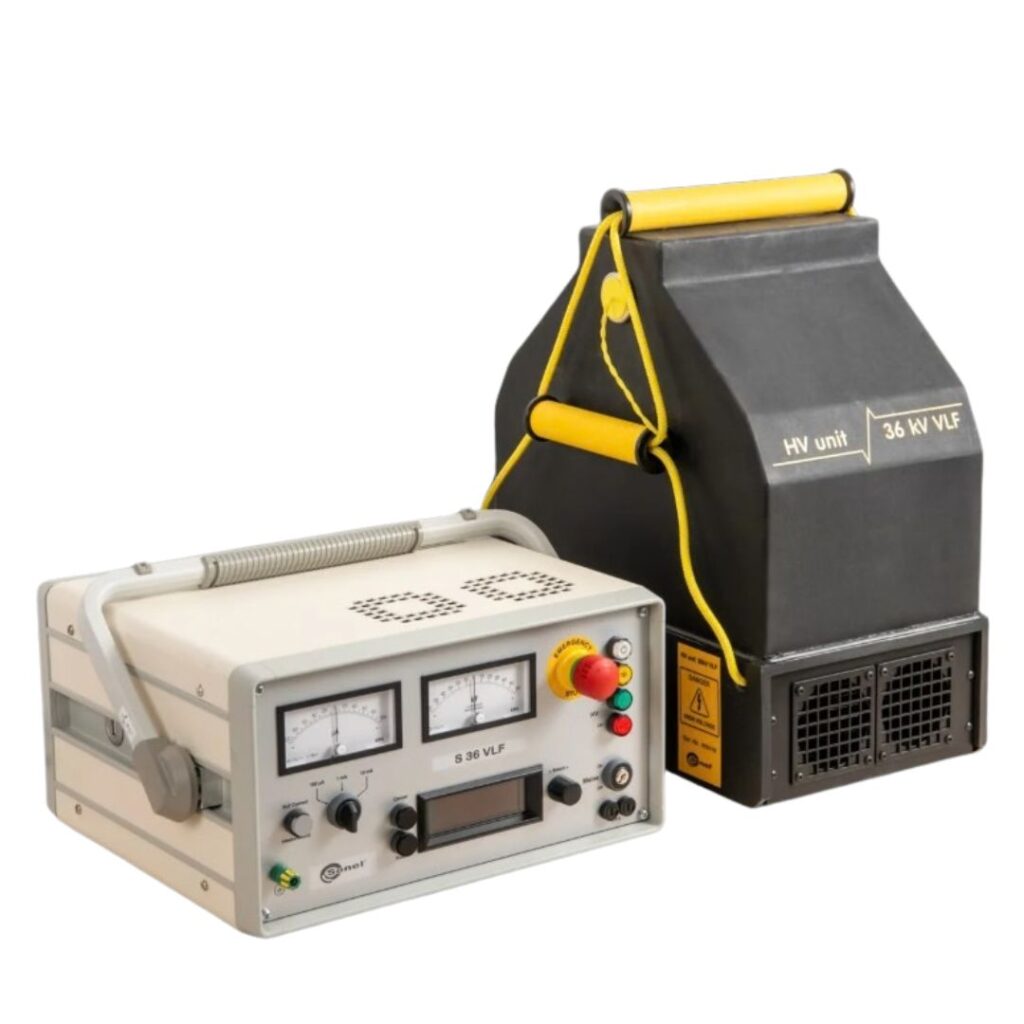
High Voltage Testers
High voltage (HV) testers are used to detect, measure, or verify the presence of electricity in systems operating above 1000V AC or 1500V DC. It is used in substation, power lines, and industrial equipment. They are used for safety reasons by confirming if a circuit is live or dead, using contact, proximity, or insulation testing methods.

Hipot Testers
Hipot testers/high potential testers are electrical safety devices that verify insulation integrity in appliances, cables or motors. They measure leakage current to detect weak insulation, gaps, or pinholes and ensure compliance with safety standards.
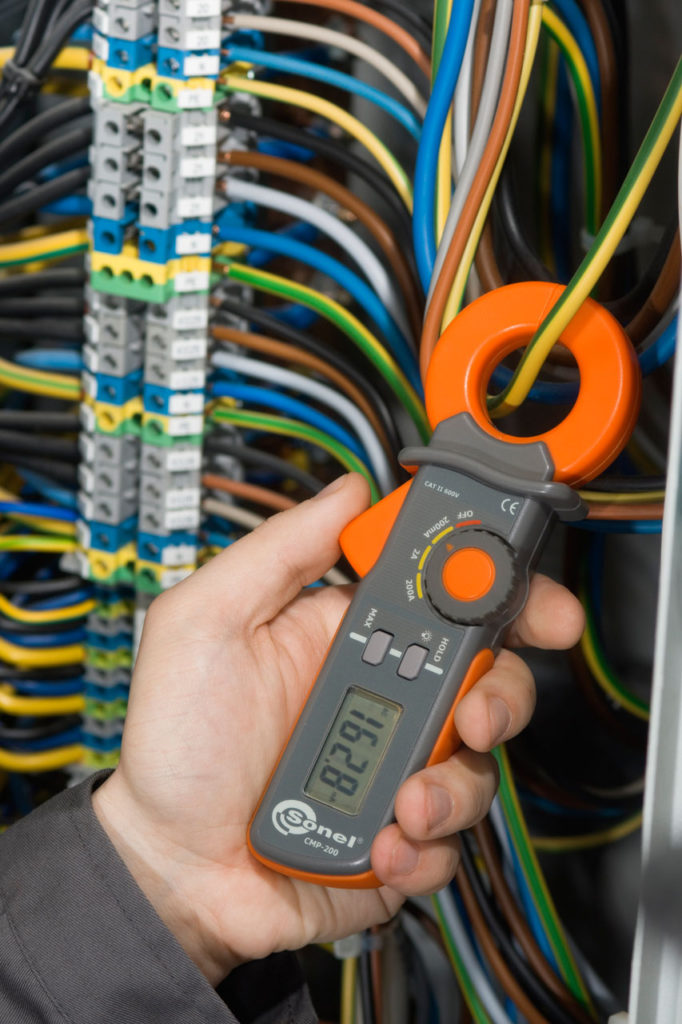
Leakage Current Meters
Leakage current is the current that flows from either AC or DC circuits in equipment to the ground. This can be from either the input or the output. If the equipment is not properly grounded, the current flows through other paths such as the human body.
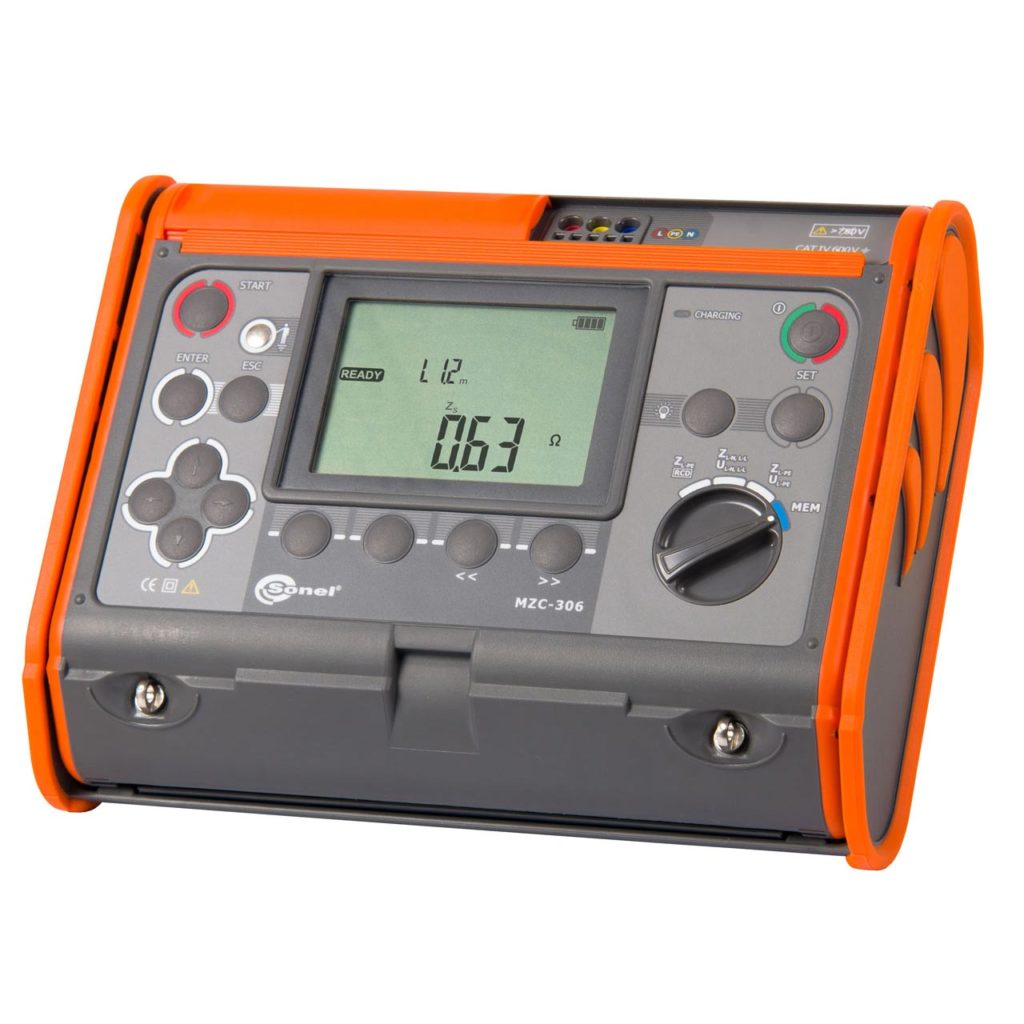
Loop Impedance Meters
Loop Impedance Meters use loop tests. Should a fault occur, one needs to establish whether the fault current will be strong enough to set off the fuse or the circuit breaker. If a fault current is left undetected, circuits can overheat and catch on fire.
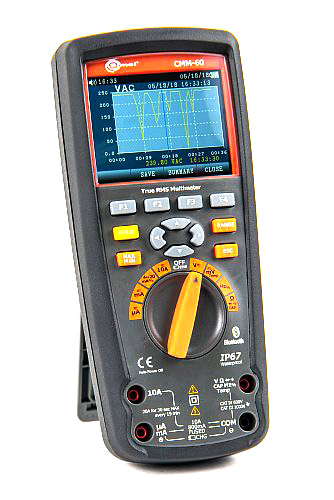
Multimeters
Multimeters measure various electrical values. We supply a variety of Multimeters suitable for use by professionals or hobbyists.

Phasing Sticks
Phasing Sticks and HV Potential Indicators can be used to make voltage measurements and provide a means of phase comparison.

Power Instruments
Power Instruments relate to the measurement, display, logging, analysing, and reporting of Power in various applications. This can be for power consumption for residential, commercial, and industrial sites for billing purposes. Network Power Analysers are for measuring and recording electrical parameters for consumption analysis, monitoring, and control of the power infrastructure network of industrial sites. Power Analysers are for type testing of electrical infrastructure including transformers and motors. Power Quality analysers are for the field testing and analysis of electrical infrastructure.

Resistance Instruments
Resistance Instruments normally measure resistance to indicate the condition of a component or a circuit. Resistance is the electrical quantity that measures how the device or material reduces the electric current flow through it.
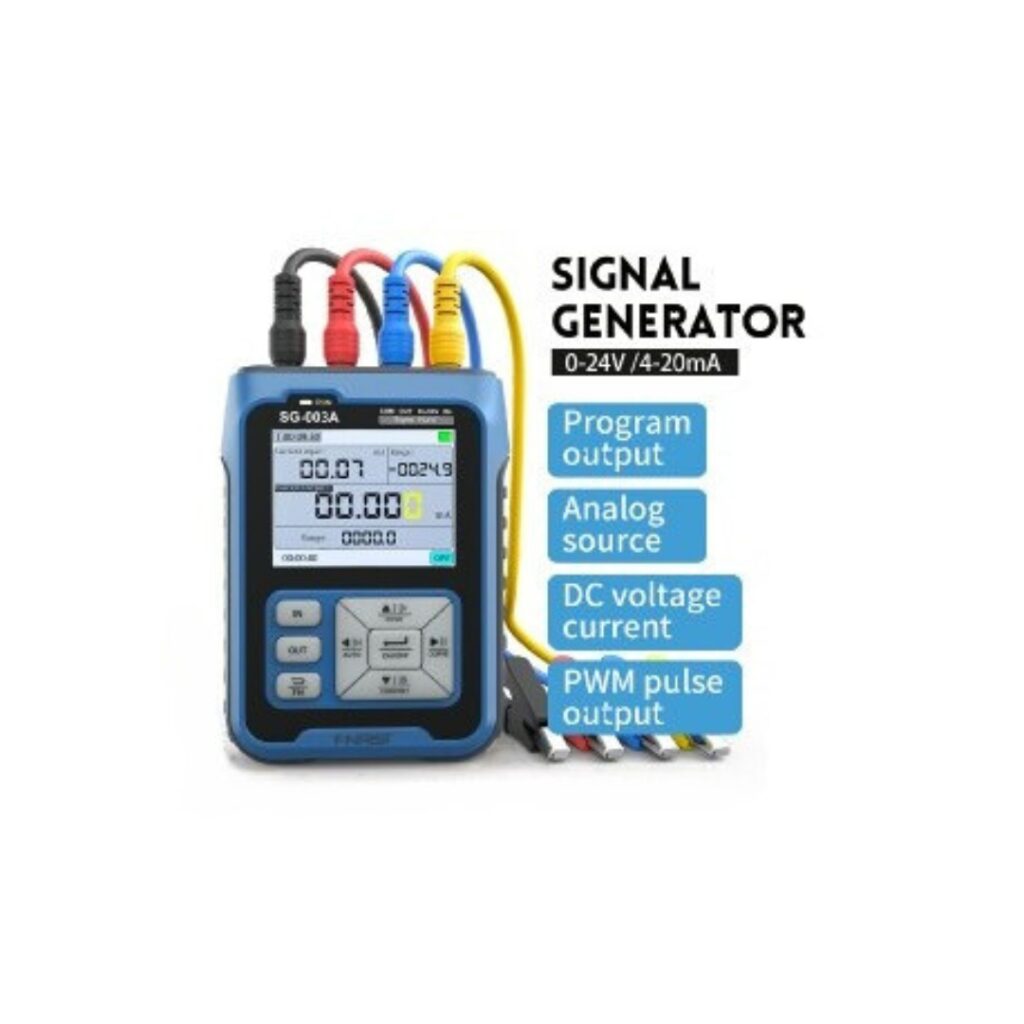
Signal Calibrators
Signal Calibrators are used for debugging and setup, instrument calibration, valve positioners, I/P converters, AC/DC drives, inverters, PLC systems, DCS simulation, control systems, transmitter testing, temperature controls, recorders, and handheld meters.

Solar PV Test Equipment
Solar PV Test Equipment, also known as PV Testers or PV Installation Testers. This is used for testing the efficiency and operating condition of solar panel installations, otherwise known as photovoltaic devices. Solar PV Test Equipment is used to quickly and easily ensure the electrical integrity of PV systems.

Transformer Test Equipment
Transformer test equipment has evolved over the years & includes many devices that do various measurements. From winding resistance and turns ratio testers, to Tan Delta & impulse testers.
Products by Category
-
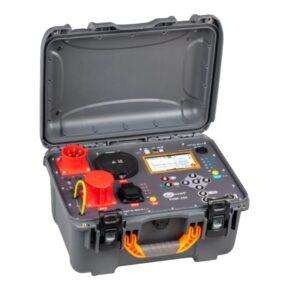
Electric Vehicle Multifunctional Analyser | EVSE
R95,743.00 ex vat -

Electrical Installation Meter with Power Analyzer | MPI-540
-

Electrical Installation Multi-function Meter | MPI-520
R42,118.00 ex vat -

Electrical Installation Multi-function Meter | MPI-530
R46,818.00 ex vat -

Electrical Installation Multi-function Meter | MPI-535
R48,210.00 ex vat -

Multi-function Electrical Installation Meter | MPI-506
R26,737.00 ex vat -
Multi-function Electrical Installation Meter | MPI-540
Price range: R64,493.00 through R106,648.00 ex vat -

Multi-function Electrical Installations Meter | MPI-502F
R20,344.00 ex vat -

Multi-function Electrical Installations Meter | MPI-536
R60,996.00 ex vat