
Temperature Instruments
Temperature instruments encompass a wide variety of devices engineered to measure, display, record, and control thermal energy and heat levels across solid, liquid, and gaseous substances.
Temperature is the most frequently measured physical parameter in industrial processes, food safety, chemical synthesis, HVAC maintenance, medical diagnostics, and power generation. Accurate temperature monitoring ensures process efficiency, prevents thermal overload or equipment damage, maintains strict microbiological safety in food and pharmaceuticals, and guarantees optimal chemical reaction rates and product consistency across manufacturing lines.
Why Temperature Instruments Matter
Temperature instruments encompass a wide variety of devices engineered to measure, display, record, and control thermal energy and heat levels across solid, liquid, and gaseous substances.
Temperature is the most frequently measured physical parameter in industrial processes, food safety, chemical synthesis, HVAC maintenance, medical diagnostics, and power generation. Accurate temperature monitoring ensures process efficiency, prevents thermal overload or equipment damage, maintains strict microbiological safety in food and pharmaceuticals, and guarantees optimal chemical reaction rates and product consistency across manufacturing lines.
Temperature Measurement Technology
The core technologies driving temperature instruments vary based on temperature ranges, response times, and environmental conditions.
Thermocouples generate a temperature-dependent millivolt signal through the Seebeck effect at the junction of two dissimilar metals, making them ideal for extremely high-temperature industrial furnaces.
Resistance Temperature Detectors (RTDs), such as Pt100 sensors, utilise the predictable change in electrical resistance of pure platinum wire relative to temperature, delivering exceptional precision and long-term stability.
Thermistors provide high sensitivity across narrower temperature bands, while non-contact infrared thermometers and pyrometers measure emitted thermal radiation from surfaces, enabling safe temperature readings on moving, energised, or hazardous equipment.
Temperature Data Loggers
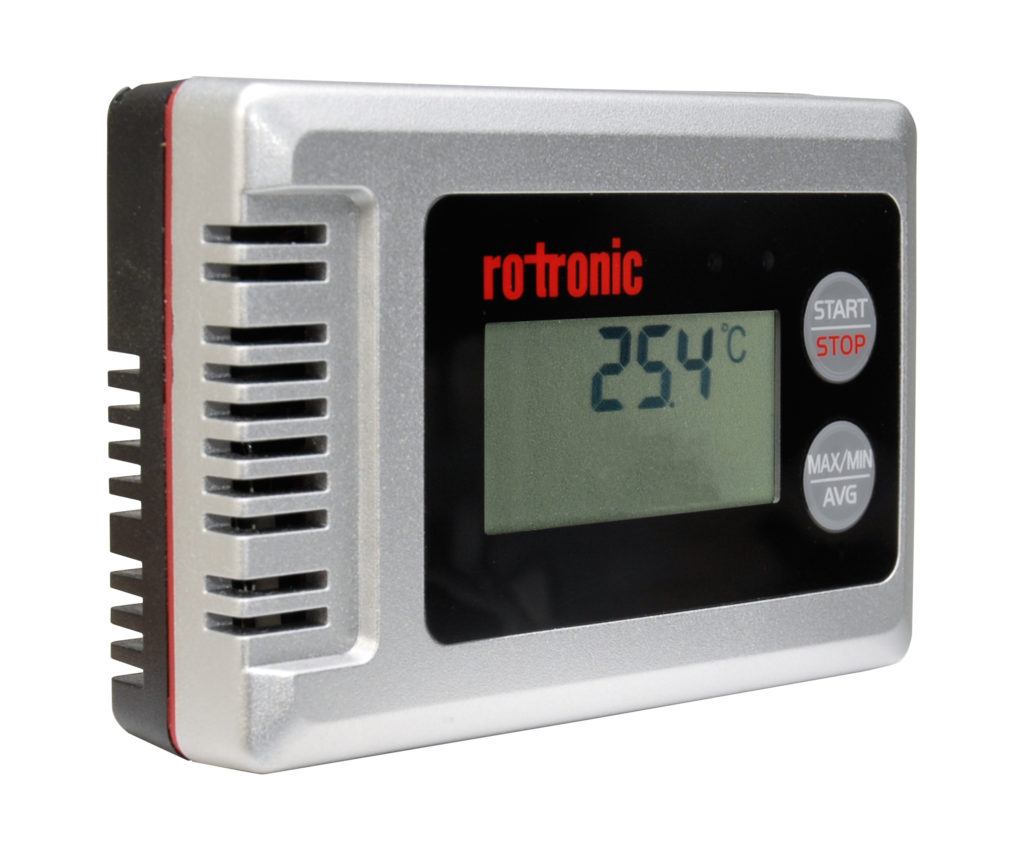
Temperature data loggers are instruments that work alongside temperature sensors to facilitate data storage and record temperature values. They can be set up to record at specific times or events. The data can be exported to an application program.
Temperature Displays
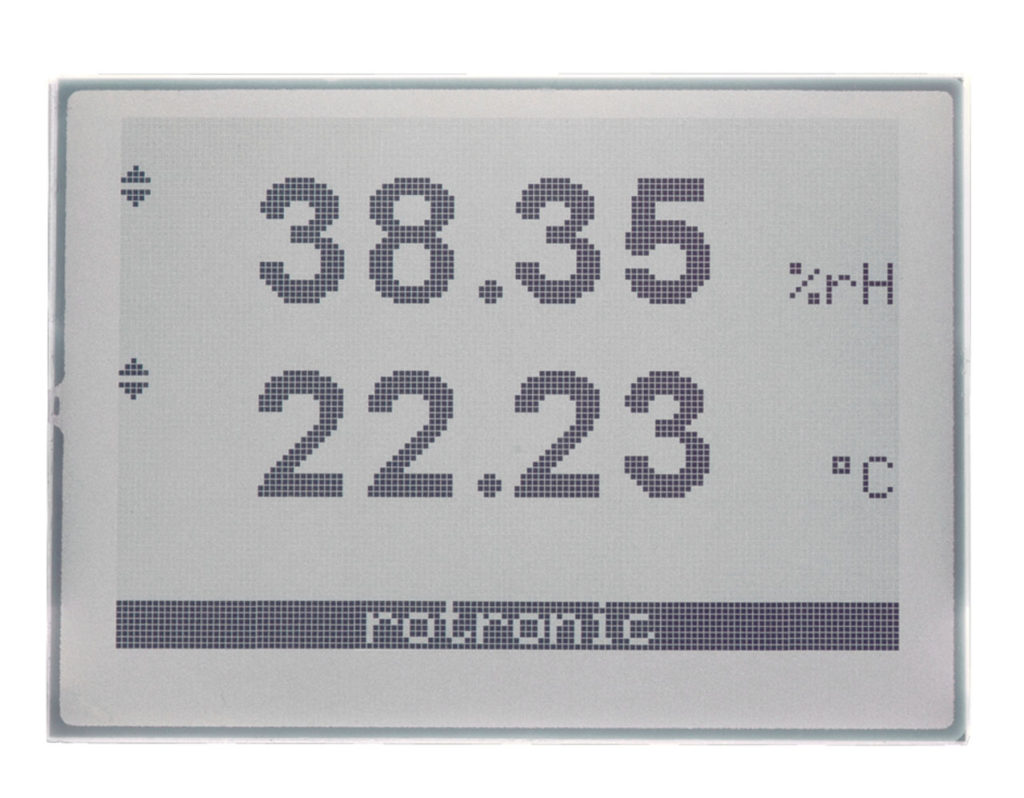
Temperature Displays show information about temperature. They are attached to a sensor and provide real-time temperature updates and information. Ideal for temperature-sensitive areas.
Temperature Handhelds
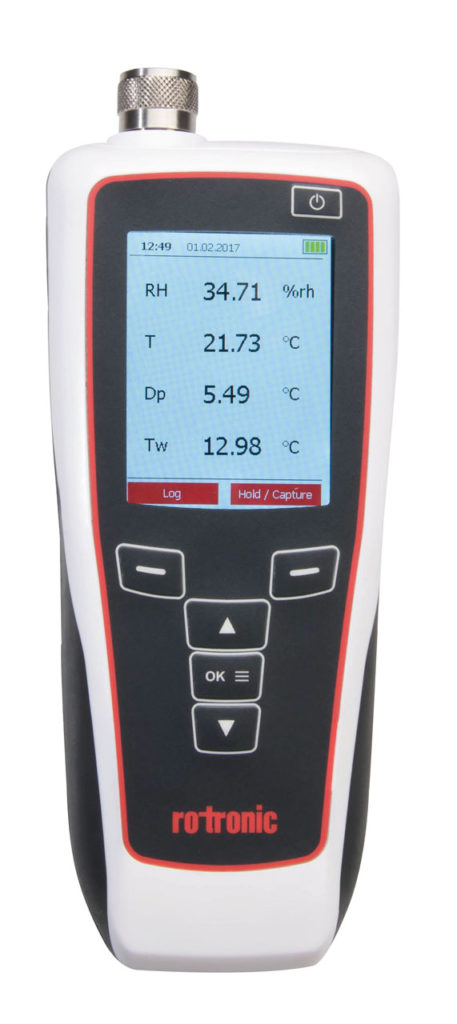
Temperature Handhelds are a portable way to measure and record the temperature. Ideal for verifying, calibrating, mapping, adjusting, and troubleshooting temperature applications.

Temperature Probes
Temperature Probes range from simple plug-in probes for handhelds and data loggers to specialised sensors for high-temperature and industrial applications.
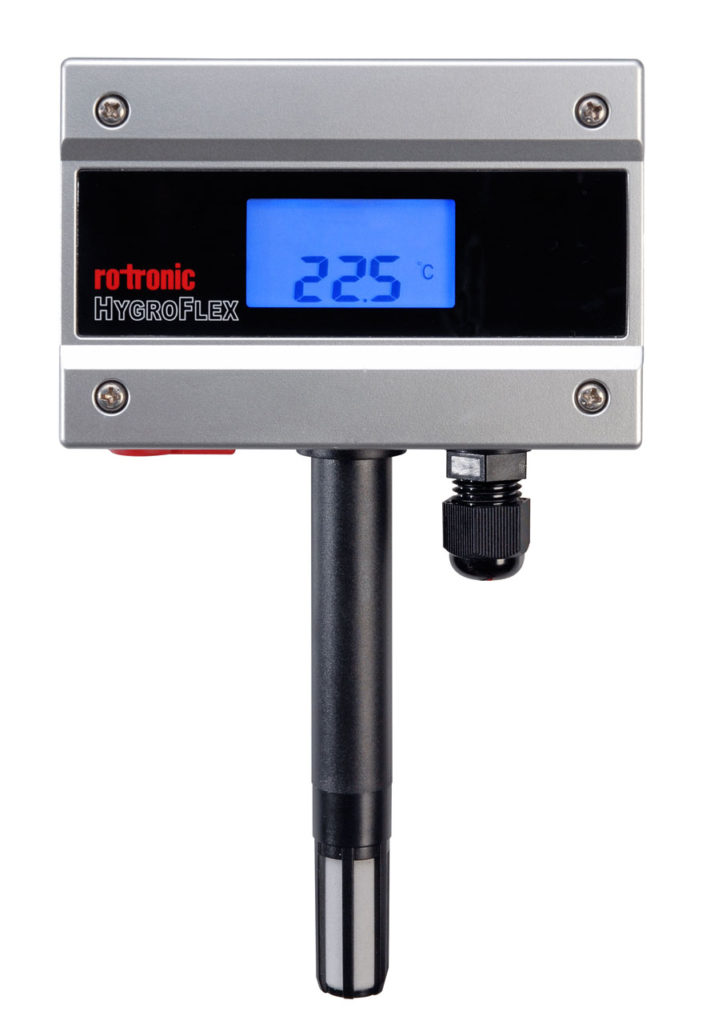
Temperature Transmitters
Temperature transmitters or transducers measure temperature and then transmit the information to a central monitoring system. They come in either analogue or digital output and can be used in various applications.

Pyrometers
Pyrometers are infrared thermometers that are used to measure the temperature of surfaces. They are ideal for measuring relatively high temperatures or objects in motion. Most pyrometers work by measuring radiation.
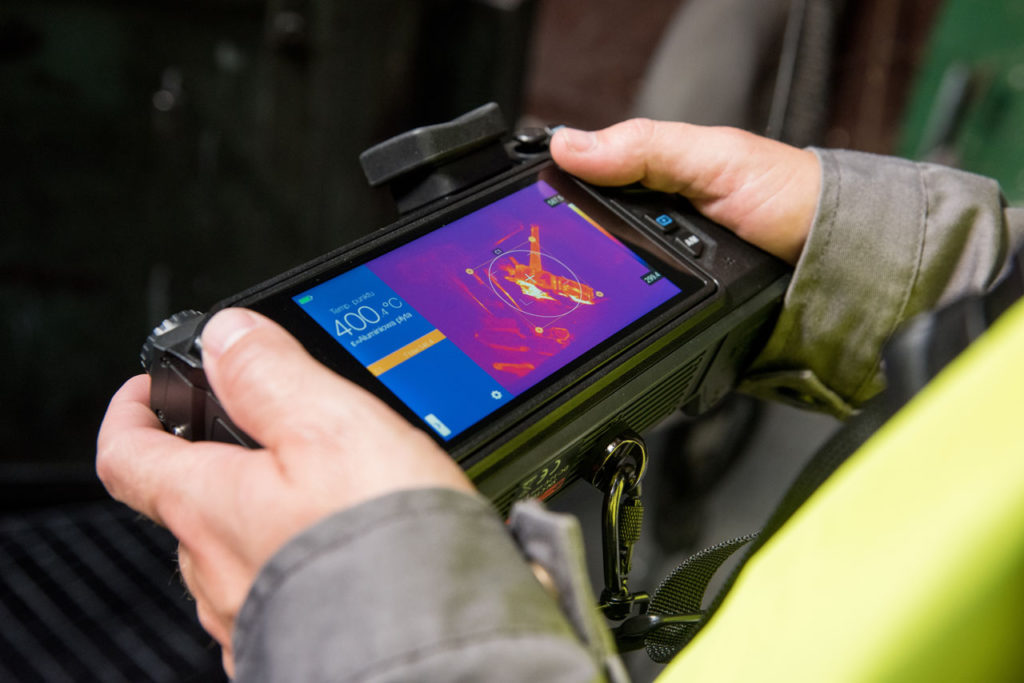
Thermal Imaging Cameras
Thermal Imaging Cameras use infrared radiation emitted from the object to create an image. The created image represents the temperature of the object. Thermal Imaging Cameras are budget-friendly yet offer accurate temperature measurements. Robustly constructed & designed.
Products by Category
-

2 Wire Temperature Transmitter | TP04
Price range: R2,093.00 through R2,421.00 ex vat -

7 Parameter Weather Sensor | u[sonic]WS7
-

Accurate Humidity Sensor Probe | HC2A-S
Price range: R9,890.00 through R27,048.00 ex vat -

Advanced Temperature Transmitter | TF5A
-

Analogue NTC Temperature Probes | T10-XXXX
Price range: R1,571.00 through R11,018.00 ex vat -

Barometric Pressure, Humidity, Temperature and Dew Point Data Logger | BL-1D
Price range: R4,760.00 through R5,190.00 ex vat -

Clean Room Humidity and Temperature Transmitter | CRP1
-

Clean Room Temperature, Differential Pressure and Humidity Panel | CRP5
Price range: R66,777.00 through R78,807.00 ex vat -
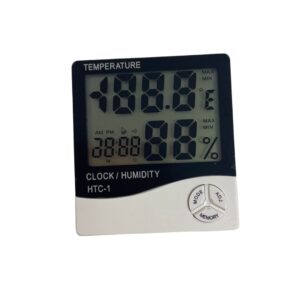
Clock Humidity Temperature Display | HTC-1