

Gas Analysers
Gas analysers are sophisticated analytical devices used to determine the quantitative and qualitative composition of gas mixtures. They measure specific gas concentrations such as oxygen, carbon dioxide, carbon monoxide, methane, sulfur dioxide, and volatile organic compounds. Measuring gas concentrations is critical across various sectors, including power generation, chemical manufacturing, environmental monitoring, mining, medical diagnostics, and automotive emission testing.
Why does Gas Analysis Matter?
Gas analysers are sophisticated analytical devices used to determine the quantitative and qualitative composition of gas mixtures. They measure specific gas concentrations such as oxygen, carbon dioxide, carbon monoxide, methane, sulfur dioxide, and volatile organic compounds.
Measuring gas concentrations is critical across various sectors, including power generation, chemical manufacturing, environmental monitoring, mining, medical diagnostics, and automotive emission testing. The primary objectives of gas analysis are to maintain workplace safety by detecting toxic or explosive gases, optimise combustion efficiency in industrial boilers and furnaces, ensure environmental regulatory compliance, and control chemical reactions in manufacturing process streams.
Gas Analysis Technology
Key technologies utilised in modern gas analysers include Non-Dispersive Infrared (NDIR) spectroscopy, which measures gas concentration based on the absorption of specific infrared wavelengths. Electrochemical sensors use chemical reactions to produce an electrical current proportional to the target gas concentration, serving as compact solutions for toxic gas detection. Paramagnetic sensors exploit the unique magnetic properties of oxygen molecules to deliver precise oxygen analysis. Gas chromatography separates complex gas mixtures into individual components for high-precision laboratory and online process analysis, while flame ionisation detectors (FID) and photoionisation detectors (PID) excel at measuring trace levels of hydrocarbons and volatile organic compounds.

Blue Hydrogen Analysers
Blue Hydrogen Analysers is used in a laboratory or onsite to analyse the output of a hydrogen production process.
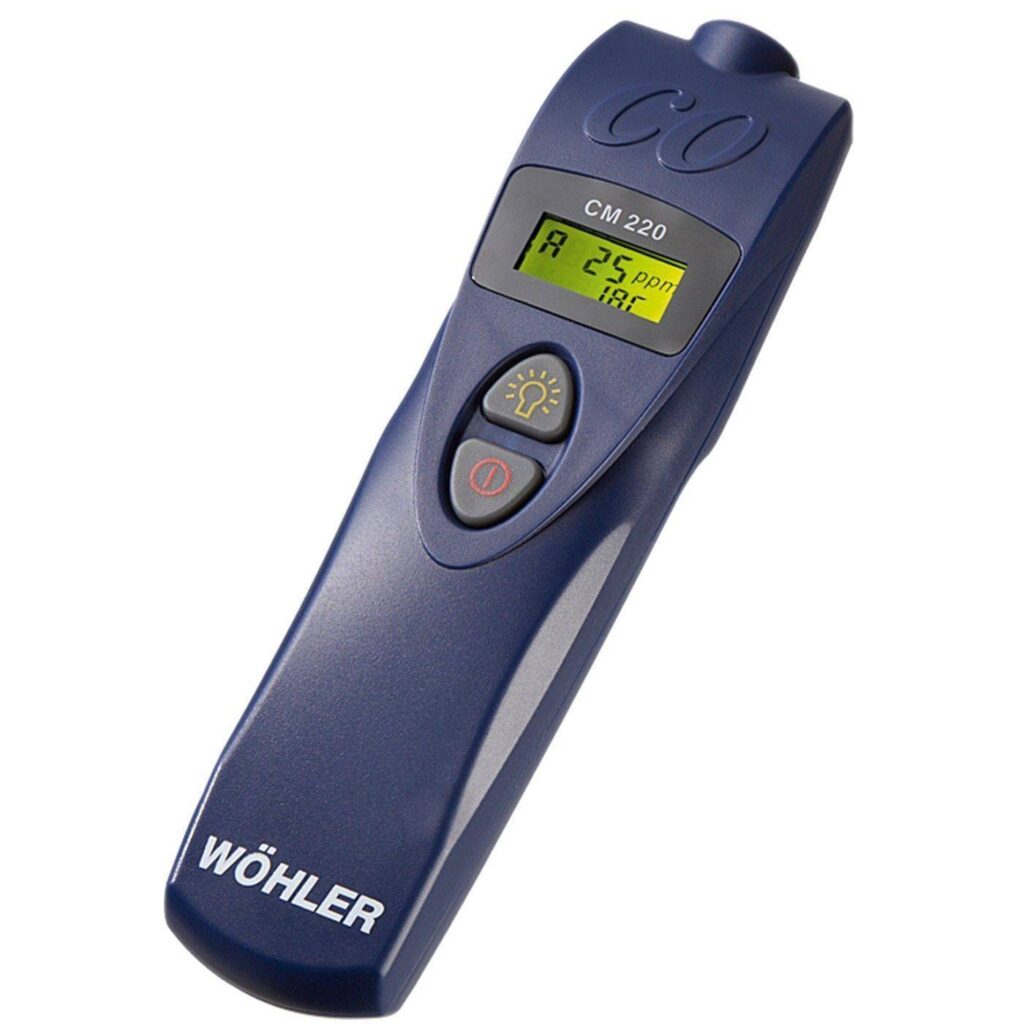
CO
CO gas is a colourless and odourless poisonous gas produced by the back-drafting from furnaces, gas water heaters, wood stoves, fireplaces and gas stoves. Sources include faulty furnaces, vehicles, generators, and grills.
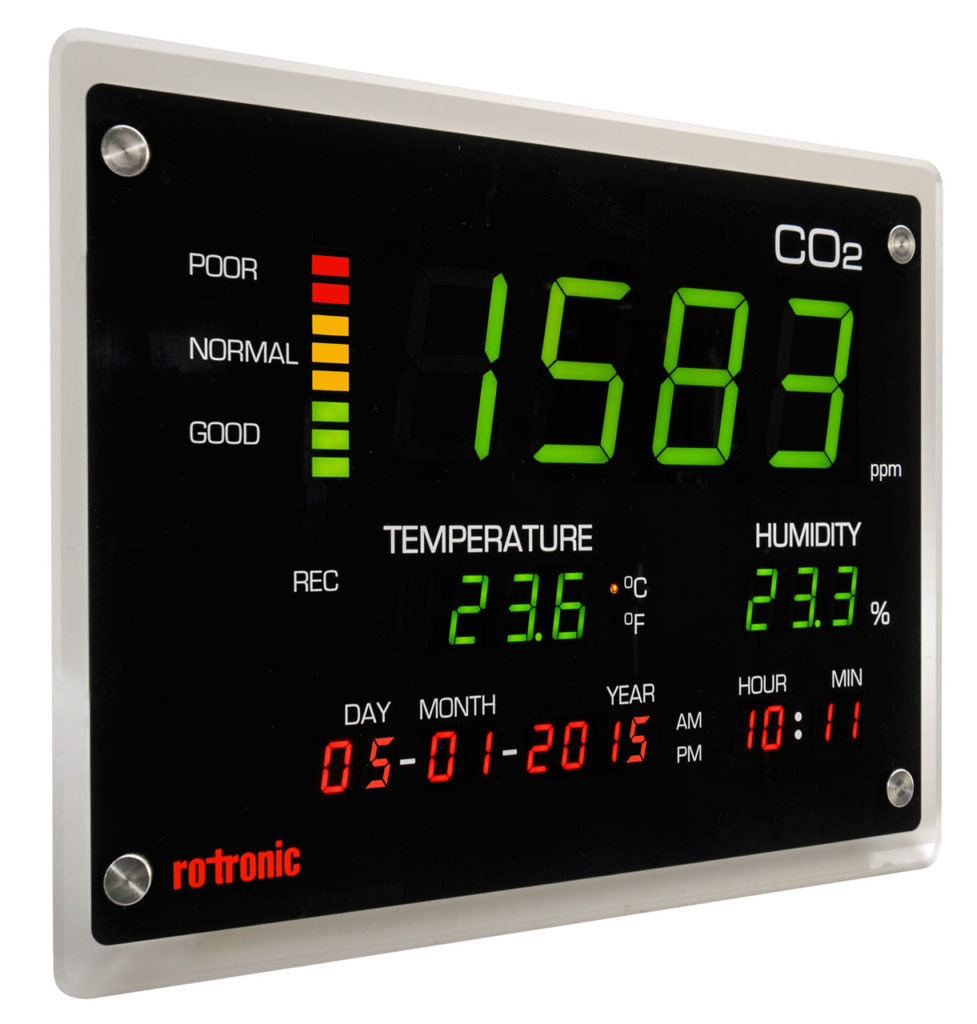
CO2
CO2 Meters measure the concentration of CO2. This is a colourless, odourless gas that is deadly in high concentrations. High levels also have health implications and affect concentration at lower levels.
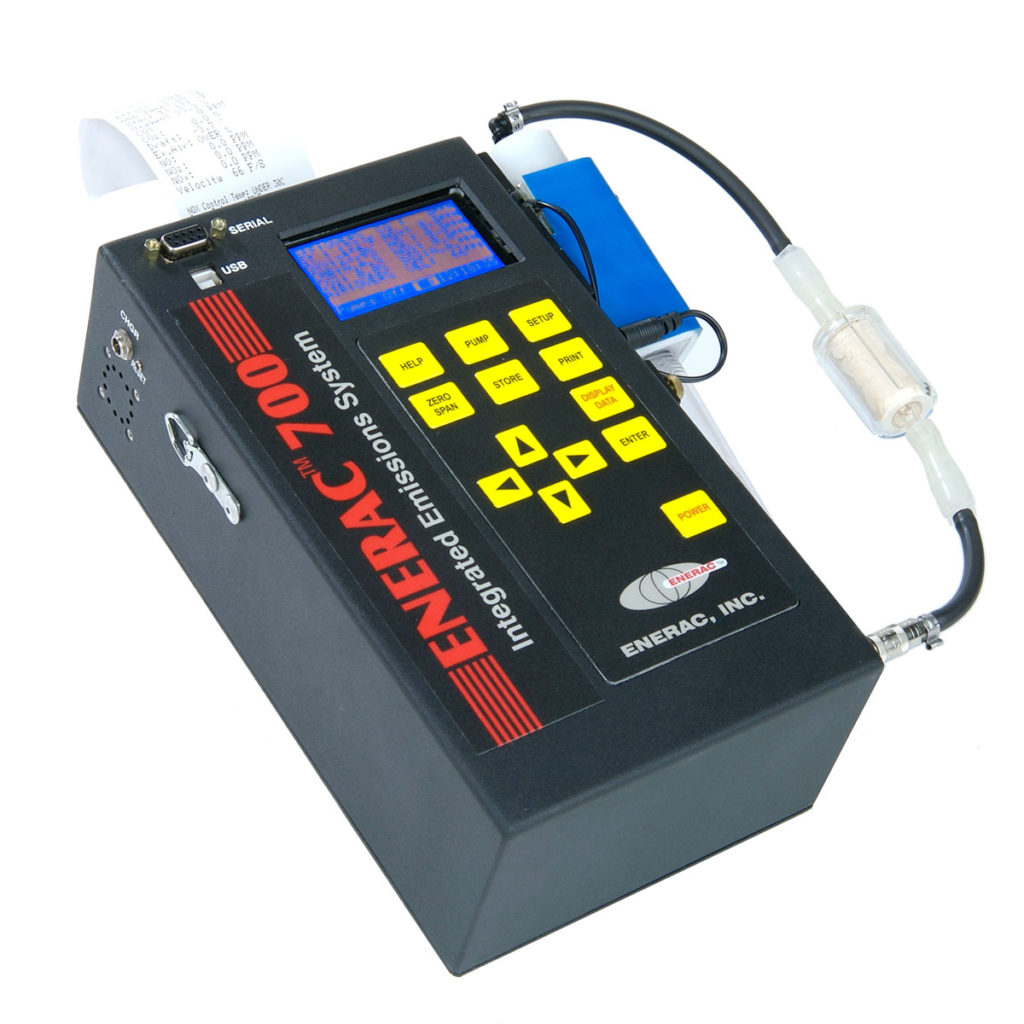
Combustion Analysers
Combustion analysers measure and interpret a range of parameters in combustion. This analysis assists in optimal use of boilers, heaters and furnaces.

Gas Detectors
Gas Detectors measure the presence of various gases.
Green Hydrogen Analysers
Green Hydrogen Analysers is used in a laboratory or on-site to analyse the output of a hydrogen production process.

Multigas Analysers
A Multigas Analysers is a high-spec instrument designed for analysing, controlling and monitoring gas in a wide range of applications.

O2
Oxygen (O2) is a colourless, odourless, and tasteless gas. It is essential for life. It is highly reactive and supports combustion. Industrially, it is used in medicine, steelmaking, and welding. It is typically supplied as compressed gas or cryogenic liquid.

Particulate Matter (PM)
Particulate Matter is a mixture of microscopic solid particles and liquid droplets found in the air which cause serious health problems.
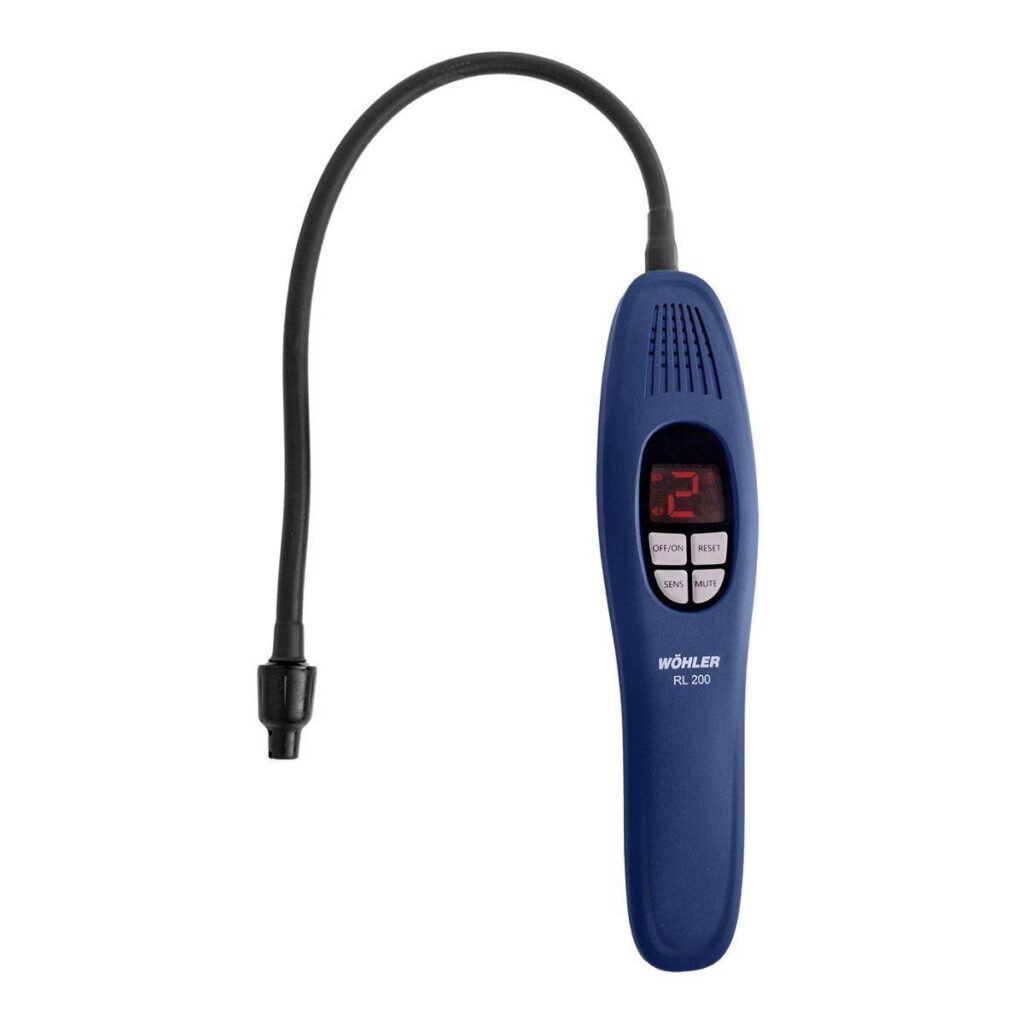
Refrigerant Gas
Refrigerant Gas Analysers are used to detect refrigeration leaks
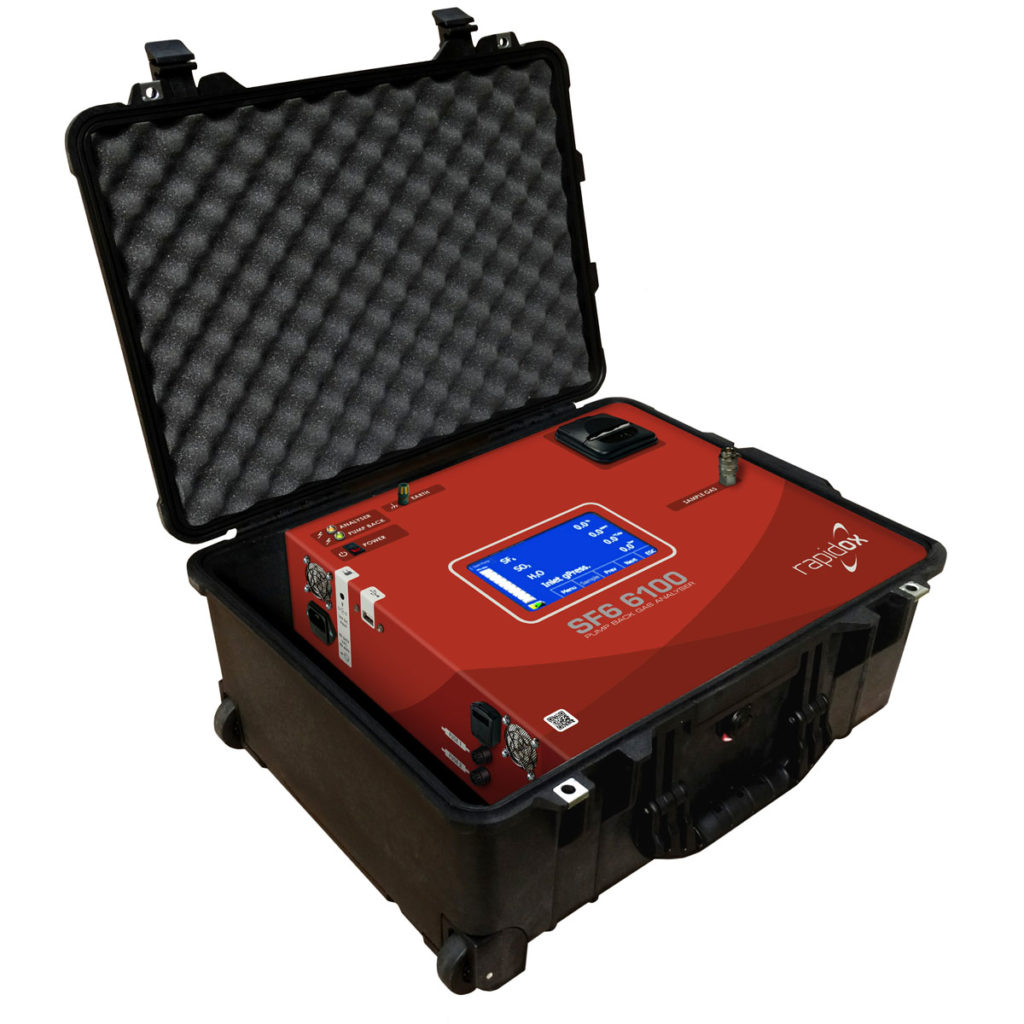
SF6 Analysers
Sulfur hexafluoride (SF6) is mainly used as an electrical insulator and arc suppressant. SF6 analysis is often used in the power transmission & distribution network. Regular analysis is essential to protect personnel, equipment, and the environment.

Single Gas Analysers
Single Gas Analysers are used to detect one specific gas at a time. These can be portable or fixed.
Products by Category
-
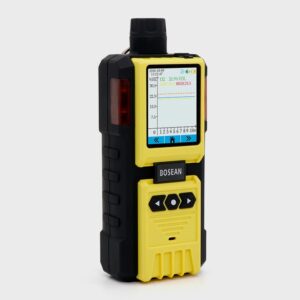
5 in 1 Multi Gas Detector | K-600
-
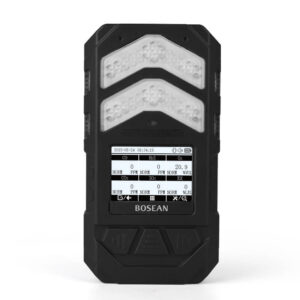
6-in-1 Multi Gas Detector | K-600N
-

Advanced Multigas Analyser | Rapidox Multi 7100
-
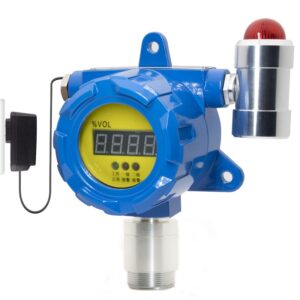
Fixed Gas Detector | BH-60
-
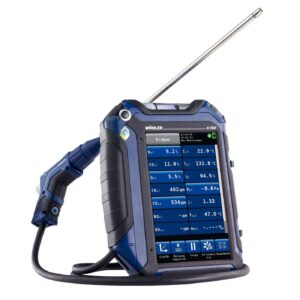
Flue Gas Analyser | A 550
-
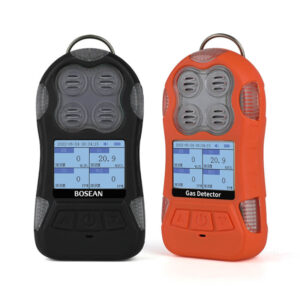
Handheld Multi-Gas Detector | K-40
-

Multigas Analyser | Rapidox 3100
-
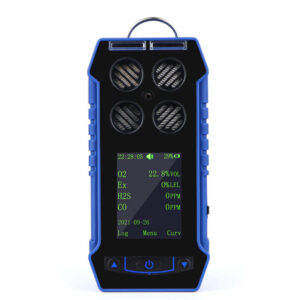
Portable Multi-Gas Detector | BH-4S
-

Portable Multigas Analyser | Rapidox 5100