
IOT (Internet of Things)
Internet of Things (IoT) technologies refer to interconnected networks of smart physical devices, sensors, and equipment that collect, transmit, and analyse data across the internet or local networks without direct human intervention. In modern industrial, commercial, and agricultural environments, measuring IoT performance and gathering data via connected endpoints is critical for achieving operational efficiency, enabling predictive maintenance, optimising resource allocation, and maintaining real-time visibility over remote assets. By continuously monitoring environmental, mechanical, and operational parameters, IoT systems allow organisations to detect equipment failures before they occur, reduce downtime, lower operational costs, and streamline automated processes.
Why does IoT Matter?
Internet of Things (IoT) technologies refer to interconnected networks of smart physical devices, sensors, and equipment that collect, transmit, and analyse data across the internet or local networks without direct human intervention. In modern industrial, commercial, and agricultural environments, measuring IoT performance and gathering data via connected endpoints is critical for achieving operational efficiency, enabling predictive maintenance, optimising resource allocation, and maintaining real-time visibility over remote assets.
By continuously monitoring environmental, mechanical, and operational parameters, IoT systems allow organisations to detect equipment failures before they occur, reduce downtime, lower operational costs, and streamline automated processes.
IoT Technology
The core technology behind IoT hardware incorporates micro-electromechanical systems (MEMS) sensors that convert physical attributes into digital data, low-power microcontrollers for local processing, and dynamic edge computing architecture. Communication is driven by low-power wireless communication protocols including LoRaWAN, Narrowband IoT (NB-IoT), Wi-Fi, Bluetooth Low Energy (BLE), and cellular networks (4G/5G). These devices link directly to cloud-based monitoring platforms, industrial SCADA systems, and centralised dashboards, utilising advanced encryption and telemetry protocols such as MQTT and HTTP to deliver actionable insights, automated alerts, and continuous data logging across dispersed infrastructure.
Products by Category
-

Gateway for RMS | RMS-GW-868
R9,537.00 ex vat -

Monitoring System Data logger | RMS-LOG-L-D
R13,366.00 ex vat -
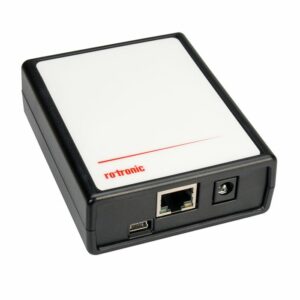
RMS Converter
R30,236.00 ex vat -

Standard RMS Temperature and Humidity Probe | RMS-HCD-S
Price range: R8,453.00 through R11,072.00 ex vat -

Wireless Mini Data Logger | RMS-MLOG
Price range: R5,021.00 through R7,008.00 ex vat -

Wireless Monitoring System Data Logger | RMS-LOG-868
R11,198.00 ex vat