

Flow Meters
Flow meters are precise instruments designed to measure the volume, mass, or linear rate of fluid movement through a pipe, conduit, or open channel. Fluids measured can include liquids, gases, vapours, and steam across diverse industries such as chemical processing, water treatment, oil and gas, pharmaceuticals, and food production.
Why Flow Meters Matter
Flow meters are precise instruments designed to measure the volume, mass, or linear rate of fluid movement through a pipe, conduit, or open channel. Fluids measured can include liquids, gases, vapours, and steam across diverse industries such as chemical processing, water treatment, oil and gas, pharmaceuticals, and food production.
Accurate flow measurement is essential for effective process control, precise chemical batching, custody transfer billing, energy efficiency, and environmental compliance. Monitoring flow rates ensures that manufacturing processes run smoothly, products maintain consistent quality, and resource wastage is minimised.
Flow Meter Technology
Modern flow measurement relies on several advanced technologies tailored to specific fluid properties and operating conditions. Electromagnetic flow meters utilise Faraday’s Law of induction to measure conductive liquids without obstructing the pipe, making them ideal for slurries and wastewater. Ultrasonic flow meters use transit-time or Doppler sound waves to measure flow non-invasively from outside the pipe. Coriolis mass flow meters provide exceptionally high accuracy by measuring the inertial effect of fluid passing through vibrating tubes, directly determining mass flow rate and fluid density. Differential pressure meters, such as orifice plates, calculate flow based on pressure drops, while vortex shedding meters measure vortices generated by a bluff body to determine fluid velocity.

Air Velocity
Air velocity meters are used to measure airspeed and pressure. Also known as anemometers. These meters can often test other variables such as air temperature, pressure, relative humidity, and wind-chill factors.
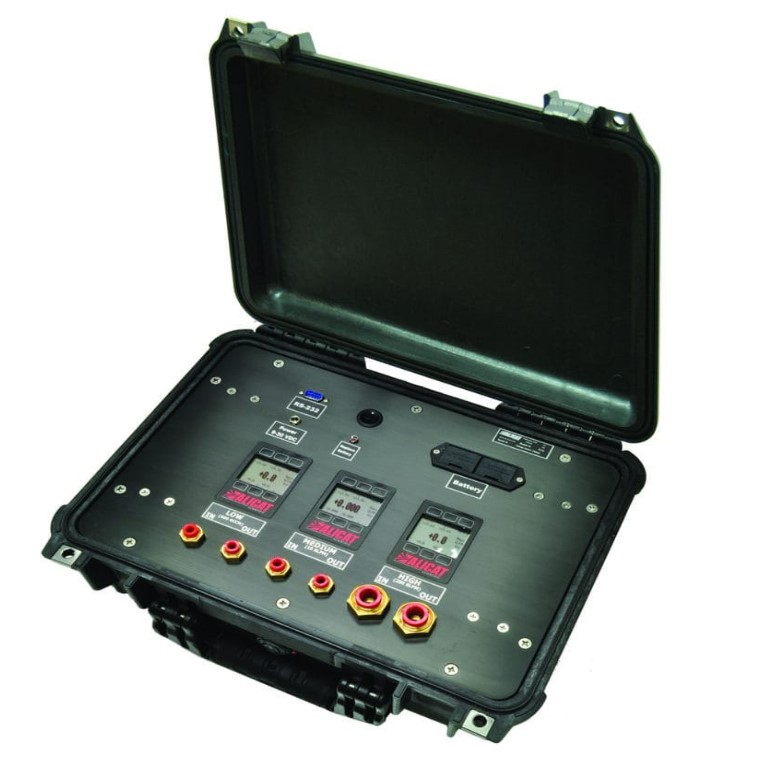
Flow Calibrators
Flow calibrators compare measurements from a flow meter to a standard scale of measurement. The flow meter can then be adjusted to conform to the standard.

Flow Displays
Flow Displays display your readings clearly to ensure better safety and communication in production environments. It makes operator reading of an instrument signal easy.

Flow Indicators
Flow Indicators visibly indicate whether a medium is flowing or not in real-time.

Flow Switches
Flow switches are used in industry to stop or start the flow of a product. It is essential in monitoring and controlling the flow rate of process media.
Flow Transmitters
Flow Transmitters relay common output signals to an operator.

Mass Flow
Mass flow meters measure the actual mass of the flow medium per unit of time. It is used in both gas and liquid measurements. This is the most accurate type of measurement when compared to an ultrasonic meter that measures volume.

Pitot Tube Flow Meters
Pitot Tube Flow Meters is a flow sensor inserted into pipes, ducts or chimneys.

Turbine Flow Meters
Turbine Flow Meters use a turbine mechanism to measure air or gas flow.

Variable Area Flow Meters
Variable area flowmeters are very simple. These versatile flow measurement devices are used on liquids, gases, and steam. They operate on the variable area principle.
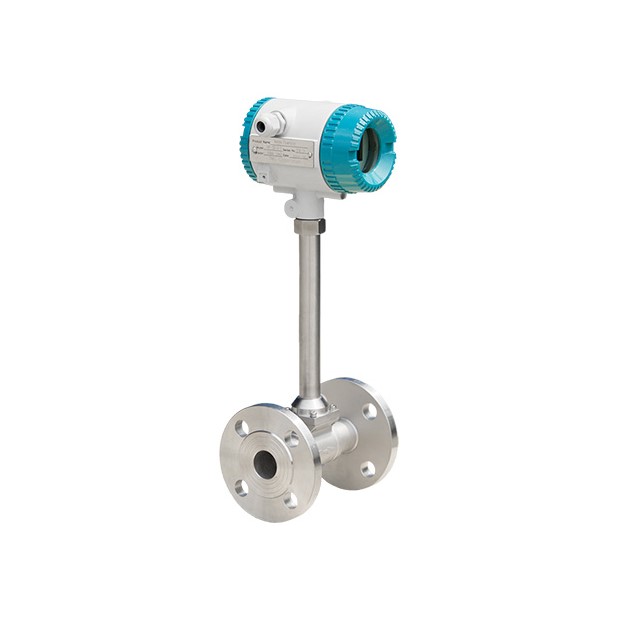
Vortex Flow Meters
Vortex Flow Meters use the vortex shedding principle to measure flow. Vortex shedding is an oscillating flow that takes place when a fluid such as air or water flows passes a body at certain velocities.
Products by Category
-
Anaesthetic VA Flowmeter | Platon DS1170
-
Average Flow Measuring Tube | AFMP
-
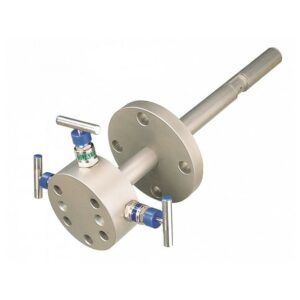
Averaging Pitot Tube Flow Sensor | Platon FPP
-
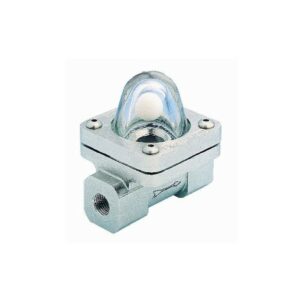
Ball Flow Indicator | DS1921
-
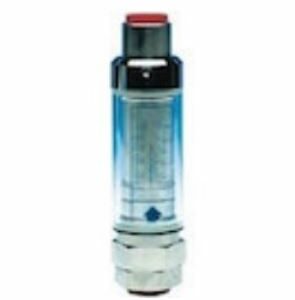
Compressed Air VA Flow Meter | DS1173
-
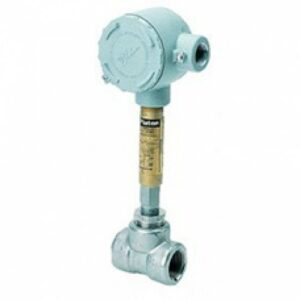
Explosion Proof Flow Switch | DS1432
-
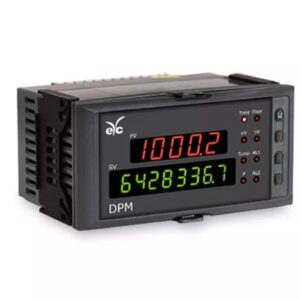
Flow Computer | DPM05
-

Flow Switch-Piston Type | FPC04
R1,782.00 ex vat -

Flow Totalizer | DPM04
Price range: R4,152.00 through R4,837.00 ex vat