Inspection and Non-destructive Testers
Inspection and Non-destructive testing (NDT) equipment includes specialised devices used to evaluate the physical integrity, internal structure, material properties, and surface condition of components without damaging or altering them. NDT is extensively applied in aerospace, civil infrastructure, manufacturing, oil and gas pipelines, power plants, and transportation. Measuring and inspecting materials via NDT is crucial for ensuring structural safety, detecting subsurface flaws, identifying corrosion, verifying weld quality, and preventing catastrophic equipment failures. By allowing regular in-service inspections, NDT helps engineers assess asset health, optimise maintenance schedules, extend equipment lifespan, and lower operational costs safely.
Why Inspection and Non-Destructive Testers Matter
Inspection and Non-destructive testing (NDT) equipment includes specialised devices used to evaluate the physical integrity, internal structure, material properties, and surface condition of components without damaging or altering them.
NDT is extensively applied in aerospace, civil infrastructure, manufacturing, oil and gas pipelines, power plants, and transportation. Measuring and inspecting materials via NDT is crucial for ensuring structural safety, detecting subsurface flaws, identifying corrosion, verifying weld quality, and preventing catastrophic equipment failures. By allowing regular in-service inspections, NDT helps engineers assess asset health, optimise maintenance schedules, extend equipment lifespan, and lower operational costs safely.
Inspection and Non-Destructive Testing Technology
A wide range of advanced technologies powers non-destructive testing equipment. Ultrasonic Testing (UT) uses high-frequency sound waves transmitted through materials to detect internal cracks, voids, and thickness variations. Eddy Current Testing (ECT) relies on electromagnetic induction to identify surface and near-surface defects in conductive materials, making it ideal for heat exchanger tubes and aircraft skins. Radiographic Testing (RT) uses X-rays or gamma rays to produce internal images of dense structures like welds and castings. Magnetic Particle Testing (MPT) and Liquid Penetrant Testing (LPT) expose fine surface cracks in ferromagnetic and non-porous materials, while industrial borescopes and videoscopes enable remote visual inspection inside confined engine turbines and piping systems.
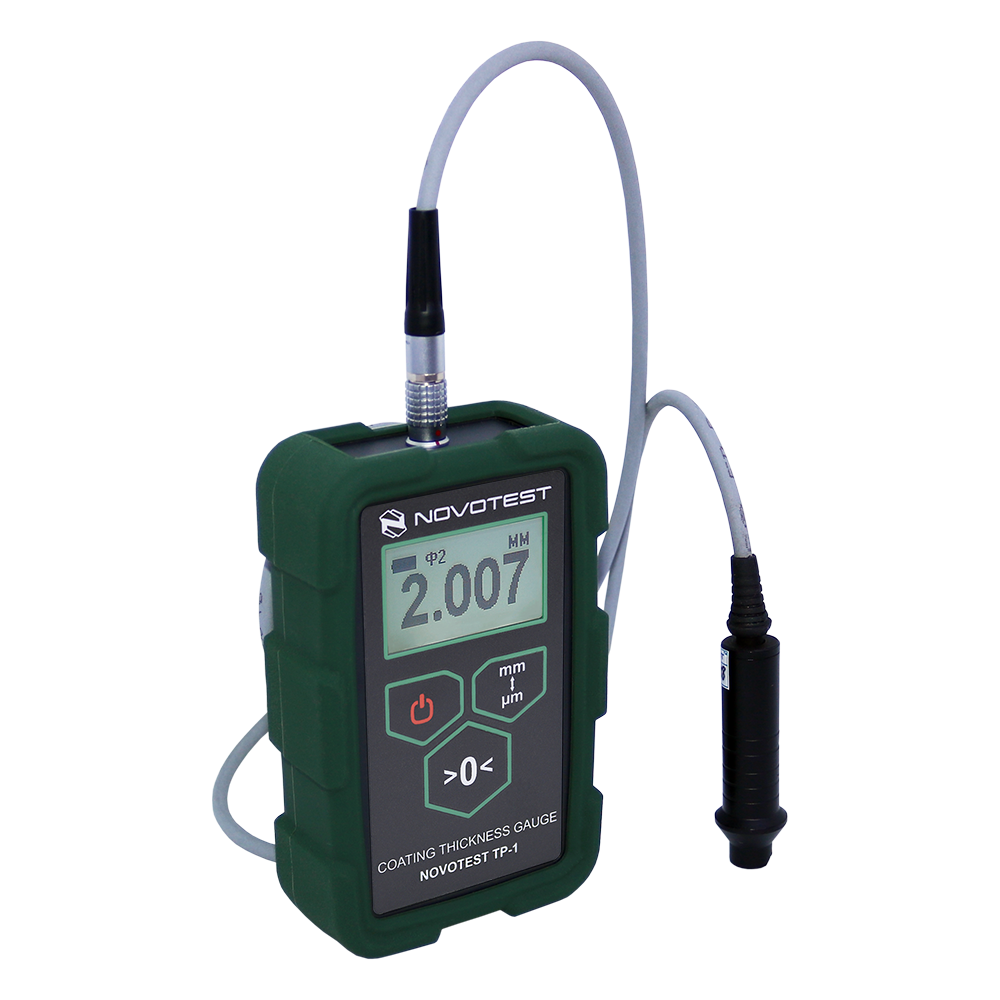
Coating Testers
Coating testers measure the thickness of various coatings on metals. Used to measure electroplating, paint, polymers, and dielectric coatings.
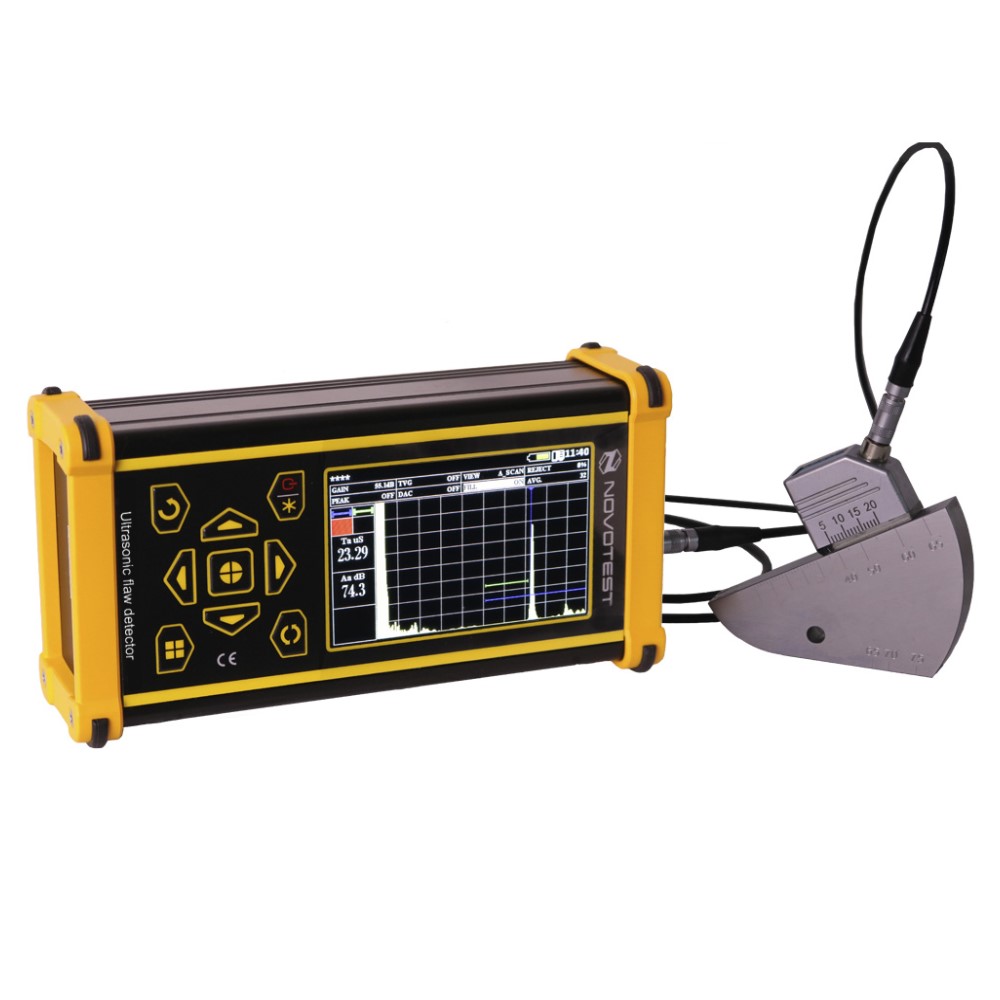
Flaw Detectors
Flaw Detectors search for spaces and inconsistencies inside materials using ultrasound. It is the most common non-destructive testing method to test metals for flaws.
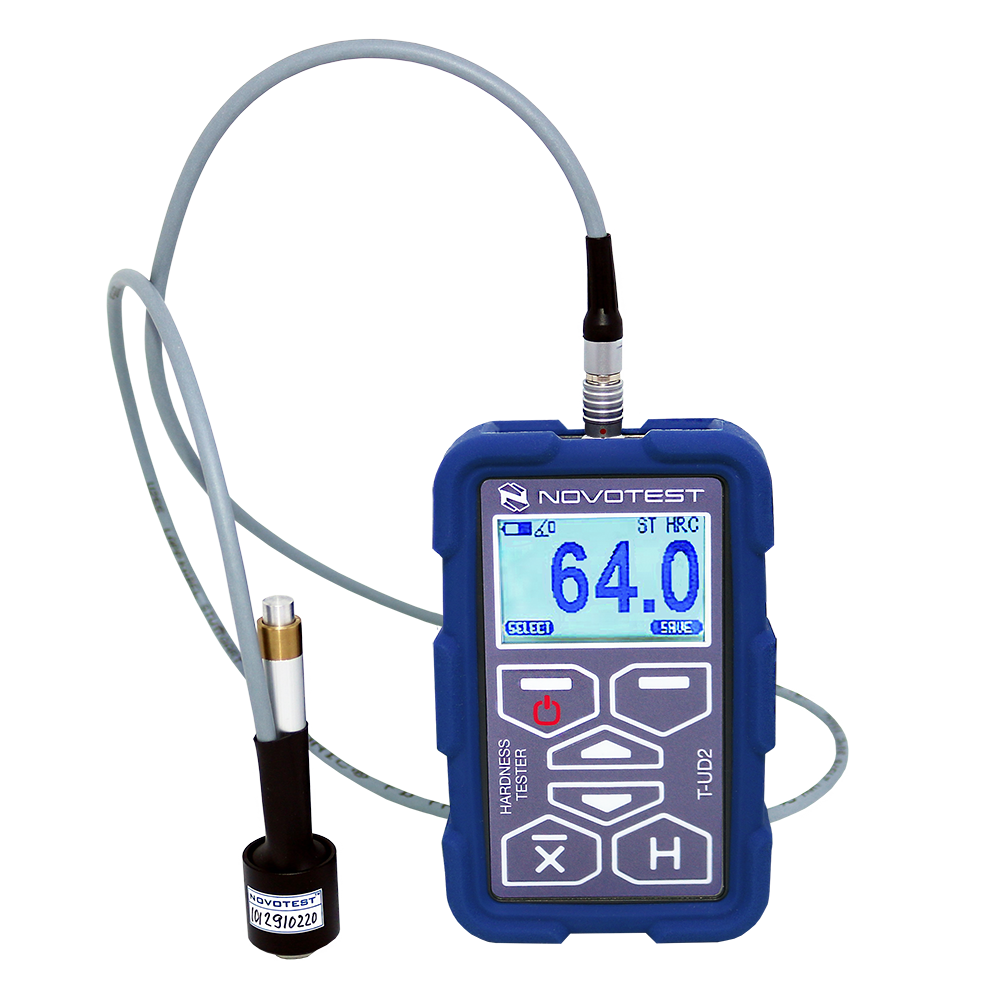
Hardness Testers
Hardness Testers measure the hardness of steel, cast iron, stainless steel, and aluminum. Hardness testers also allow the user to evaluate the tensile strength.

Magnetisation Meters
Magnetisation Meters measure residual magnetisation and magnetic heterogeneity in ferromagnetic products

Moisture Meters
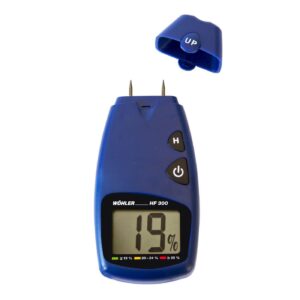
Moisture meters are portable instruments used to measure water content in materials like coffee, wood, drywall, concrete, paper etc. They help detect dampness, which might spoil the product. There are various types, such as a pin-type (measuring conductivity) and pinless (non-invasive), featuring digital displays for fast, accurate readings.
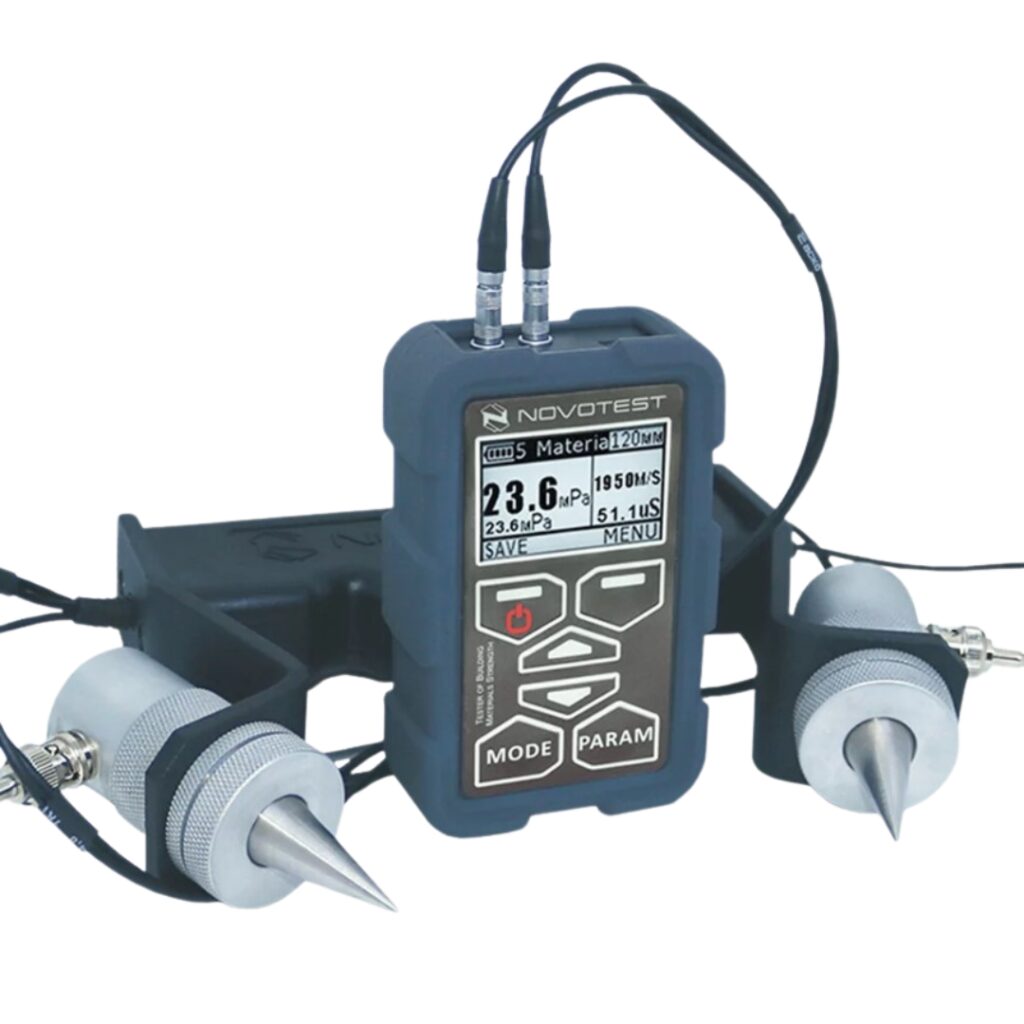
Strength Detectors
Strength Meters are used for the strength measurement of solid building and composite materials. It also allows users to assess the bearing capacity of reinforced concrete structures, porosity and the presence of cracks that occurred during the manufacture and operation, the texture of composite materials and the degree of anisotropy. This often uses Ultrasound technology.

Tachometers
Tachometers measure revolutions per minute (RPM). Suitable for use in rotating machinery such as pumps and motors, automotive, paper and printing, surface speed, length counting, conveyor belts, production lines, fans and gear teeth, cutting and punching etc.
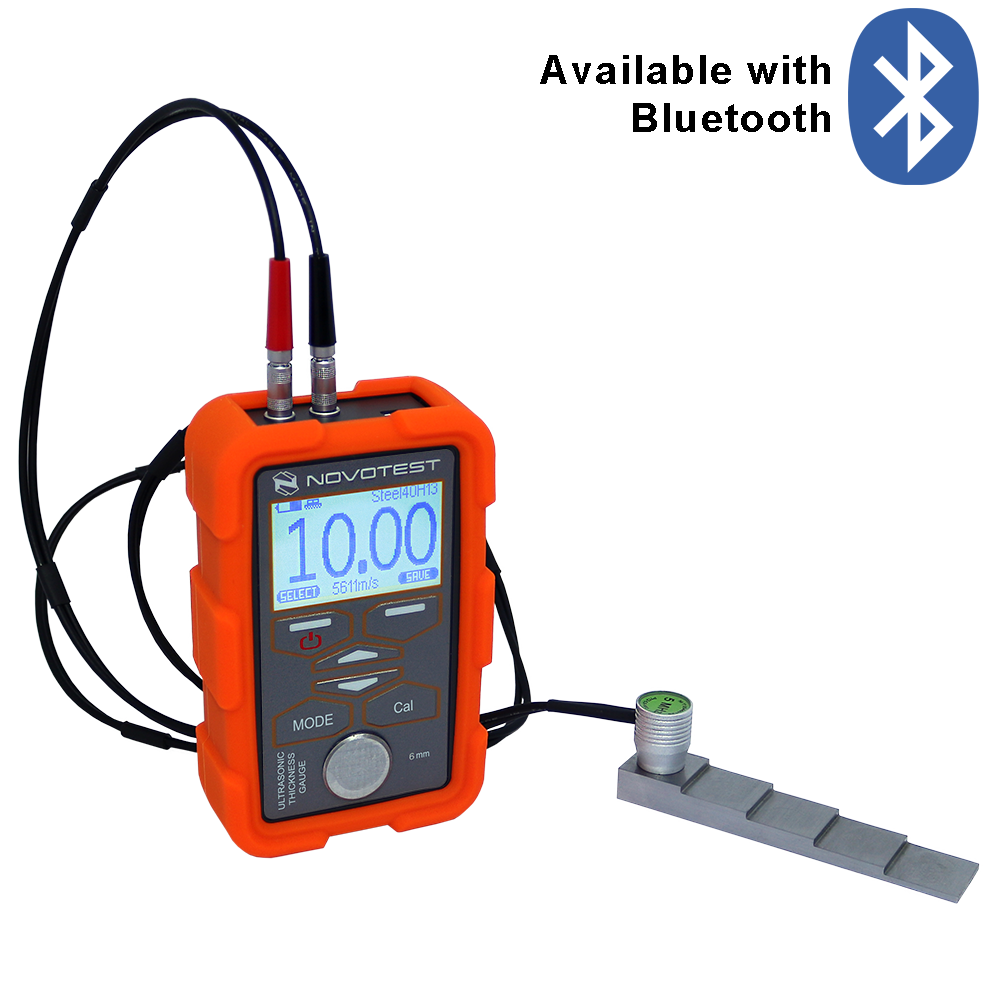
Thickness Meters
Thickness Meters measure the thickness of a pipe or material. Ultrasonic Thickness Gauges allow you to test the thickness of a pipe from one side. As it is not always possible to measure from both sides of an object, this is a quick and easy method to establish the subject’s thickness.